
What Is the Takata Airbag Recall?
The Takata airbag recall is the largest automotive safety recall in United States history. It involves defective airbag inflators that can rupture during deployment, sending metal fragments into the passenger compartment.
Airbags are engineered to deploy in milliseconds and cushion vehicle occupants during a collision. However, certain Takata inflators can explode with excessive force, causing the metal housing to fragment. When rupture occurs, sharp metal debris can penetrate the airbag cushion and strike the driver or passenger.
Since recalls first began in 2008, the scope of the defect has expanded dramatically. Tens of millions of vehicles across dozens of manufacturers have been affected. Despite years of replacements, the recall remains active.
Many consumers first discover the issue by searching a Takata recall list by VIN, while others learn about it only after a rupture incident occurs.
Why Takata Airbags Explode
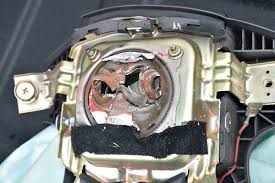
To understand the Takata airbag recall, it is important to understand how airbag inflators function. An inflator contains a chemical propellant that ignites during a crash to rapidly fill the airbag cushion. Takata used ammonium nitrate as the primary propellant in many of its inflators. While inexpensive and effective under certain conditions, ammonium nitrate is unstable when exposed to heat, humidity, and temperature fluctuations over time.
As the propellant degrades, it may burn too quickly during deployment. Instead of controlled gas expansion, excessive internal pressure builds within the inflator housing. That pressure can cause the metal casing to rupture violently through the airbag cushion. When rupture occurs, the inflator can send shrapnel-like metal fragments into the cabin. These events have caused:
- Deep facial lacerations
- Permanent vision loss
- Neck and arterial injuries
- Traumatic brain injuries
- Internal bleeding
- Fatal penetrating wounds
In many documented cases, victims suffered metal fragment airbag injuries that resembled blast trauma rather than traditional crash injuries.
Timeline of the Takata Airbag Recall
2008–2012: Early Recalls
The first recalls were limited to certain Honda vehicles after reports of inflator ruptures surfaced. Initially, the defect was not recognized as widespread.
2013–2014: Federal Scrutiny Intensifies
As additional rupture incidents were reported across multiple manufacturers, the National Highway Traffic Safety Administration (NHTSA) launched a broader investigation. Questions emerged regarding Takata’s testing data and geographic limitations placed on earlier recalls.
2015: Nationwide Recall Expansion
Under regulatory pressure, Takata acknowledged that inflators using ammonium nitrate without a desiccant were defective. The recall expanded nationwide, eventually covering tens of millions of vehicles.During this period, regulators also began issuing what became known as the Takata do not drive warnings for vehicles deemed to pose an extreme rupture risk.
2017: Takata – Criminal Charges and Bankruptcy
In 2017, Takata pleaded guilty to federal wire fraud charges related to falsified safety data. The company agreed to pay $1 billion in penalties and compensation. Soon after, Takata filed for Chapter 11 bankruptcy protection. The bankruptcy restructuring included creation of a compensation trust for injured victims.
2018–Present: Ongoing Replacement Efforts
Although Takata’s assets were sold, recall replacements continue. Some vehicles remain unrepaired, and federal regulators periodically issue updated guidance.
Is the Takata Airbag Recall Still Active?
Yes. The Takata airbag recall is still active. Despite years of replacement campaigns, millions of vehicles either:
- Have not yet been repaired
- Changed ownership without recall completion
- Remain subject to priority replacement phases
Federal regulators continue monitoring compliance rates. In certain high-risk cases, updated warnings are issued as new data emerges. Vehicle owners should not assume that older recall notices are no longer relevant. Verification through a manufacturer or the NHTSA VIN recall lookup tool is the most reliable method to determine current recall status.
Which Vehicles Are Most at Risk?
While all unrepaired Takata inflators pose some level of danger, certain vehicles carry elevated rupture risk.
Risk factors include:
- Vehicles with the earliest models of the defective airbags on the recall.
- Long-term exposure to high heat and humidity
- Inflators manufactured without moisture-absorbing desiccant
- Geographic operation in southern U.S. states
Vehicles in high-humidity regions have shown higher rupture rates. Age is also critical; the longer ammonium nitrate is exposed to environmental cycling, the greater the instability risk. Owners of used cars must be especially vigilant, as their current used can may have spent the majority of its “life” in Southern states or areas of high humidity.
Owners of older vehicles that have not undergone recall repairs should prioritize verification immediately, especially if their vehicle appears on the Takata recall list by VIN or has been included in high-priority recall phases.
How Many Vehicles Are Affected?
The Takata airbag recall has affected tens of millions of vehicles in the United States and over 100 million inflators worldwide.
Major automakers impacted include:
Because Takata served as a global supplier, its defective inflators were distributed across brands, making recall coordination unusually complex.
NHTSA Investigation and Federal Sanctions
The National Highway Traffic Safety Administration played a central role in uncovering the scope of the defect. Federal authorities concluded that Takata failed to fully disclose safety data and manipulated certain testing results. As a result, regulators required:
- Nationwide recall expansion
- Prioritized replacement schedules
- Independent safety monitoring
- Phase-out of unstable ammonium nitrate inflators
In 2017, Takata’s guilty plea to federal charges resulted in significant financial penalties and compensation funds for both automakers and injured victims.
Takata Bankruptcy and the Compensation Trust
Takata’s 2017 bankruptcy fundamentally changed how injury claims involving defective inflator ruptures are handled. As part of the restructuring, a victim compensation trust was established to administer qualifying personal injury and wrongful death claims. The bankruptcy did not eliminate accountability. Instead, it created a centralized system for evaluating and paying eligible claims while preserving certain legal rights against other responsible parties.
Individuals injured by a recalled Takata airbag may have several potential avenues for recovery, depending on the circumstances of their case. These can include:
- Bankruptcy trust compensation
- Individual product liability lawsuits against responsible manufacturers or distributors
- Takata wrongful death lawsuit claims in fatal cases
It is important to understand that recall-related class actions are not the same as personal injury claims. Many vehicle owners were included in economic-loss class actions addressing diminished vehicle value, but those cases generally do not compensate victims for physical injuries. In situations involving serious harm, individuals need to pursue a separate injury claim rather than a claim in the Takata class action as explained in our discussion of class action vs. individual injury lawsuits. In cases where there are unique Takata inflator injuries, an individual lawsuit is filed against the auto maker that installed and sold a vehicle with a defective product under products liability law.
Deaths and Injuries Linked to Recalled Takata Airbags
The recall has been linked to dozens of confirmed deaths in the United States and hundreds of severe injuries. Unlike typical airbag injuries, rupture incidents often involve penetrating trauma. Victims have suffered:
- Blindness
- Severe facial disfigurement
- Neck artery lacerations
- Traumatic brain injuries
- Fatal hemorrhaging
Many injuries occurred in otherwise survivable crashes, underscoring the unique severity of inflator rupture events. Individuals exploring compensation options often investigate Takata airbag injury claims after discovering that their injuries were caused by a recalled inflator.
Why the Recall Is Still Ongoing
The recall continues for several reasons:
- The sheer number of affected vehicles
- Ownership changes over time
- Delays in replacement part manufacturing
- Vehicles remaining on the road longer than anticipated
In some cases, recalled vehicles have been resold without recall repairs being completed, increasing ongoing exposure risk.
What to Do If You Were Injured by a Recalled Takata Airbag
If an inflator ruptured during a crash and someone was injured, preserving of the evidence is critical to success, which includes the entire vehicle and not allowing it to be sold or salvaged is critical. Other needed evidence and proof include:
- Photographs of the entire vehicle
- Pictures of the exploded airbag module
- Pictures of damage to the interior of the vehicle
- Picture of the injuries, laceration and bandages
- Purchase records and title
- Medical records
- Police reports
- Recall documentation
Injured individuals may need to understand Takata airbag lawsuit filing deadlines, which vary by jurisdiction and claim type. Prompt investigation can help determine eligibility under the compensation trust or through civil litigation.