
Blindness and Vision Loss from Exploding Takata Airbag Shrapnel
When a Takata airbag inflator ruptures, the explosion can send metal fragments and debris directly toward the driver or passenger’s face. Because the eyes are particularly vulnerable to high-velocity projectiles, many victims of Takata inflator failures suffer catastrophic and permanent vision damage.
Unlike minor airbag abrasions, these cases frequently involve penetrating trauma, globe rupture, retinal detachment, optic nerve damage, and irreversible blindness. The consequences extend far beyond emergency treatment. Vision loss affects employment, independence, daily living activities, and long-term earning capacity.
A Takata eye injury lawyer must investigate not only the crash, but the engineering failure of the inflator itself. The Takata airbag defect cases involve complex product liability litigation, recall history, and preservation of critical evidence within the airbag module.
How Takata Airbag Ruptures Cause Severe Eye Injuries
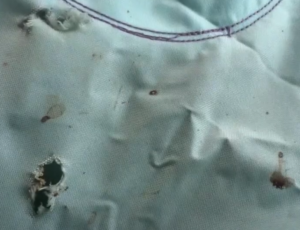
Takata airbags were manufactured using ammonium nitrate propellant without a stable drying agent. Over time, particularly in hot and humid climates, the propellant can degrade and become unstable. When deployed during a collision, the inflator housing may rupture rather than inflate properly. Instead of releasing gas in a controlled manner, the metal canister can fragment and explode outward.
This rupture mechanism can result in:
- High-velocity metal shrapnel striking the eye
- Penetration of the orbital cavity
- Airbag cushion tearing and secondary debris projection
- Blunt force trauma from explosive deployment
- Secondary impact injuries from steering wheel fragments
The defect mechanism underlying these cases is closely examined in litigation involving Takata metal shrapnel injuries, where forensic analysis often confirms internal inflator rupture rather than normal deployment. Eye injuries from ruptured inflators frequently resemble ballistic trauma rather than conventional crash injuries.
Types of Vision Damage Seen in Takata Airbag Lawsuits
The human eye is highly sensitive to both penetrating and blunt trauma. Even small fragments can cause irreversible damage. In many cases, victims require emergency ophthalmologic surgery within hours of injury.
Common eye injuries in Takata airbag lawsuits include:
- Globe rupture
- Retinal detachment
- Optic nerve damage
- Corneal lacerations
- Intraocular foreign bodies
- Orbital fractures
- Hyphema (bleeding within the eye)
- Permanent partial or total blindness
Some individuals suffer complete loss of vision in one eye. Others experience bilateral damage resulting in total blindness. These injuries often occur alongside facial lacerations and structural trauma, as described in cases involving facial disfigurement and laceration injuries.
Because vision loss permanently alters a person’s independence and employability, these cases often involve significant long-term damages.
Long-Term Consequences of Vision Loss
Vision impairment affects nearly every aspect of daily life. Beyond the immediate trauma, individuals may face:
- Loss of ability to drive
- Loss of employment in visually demanding fields
- Permanent occupational restrictions
- Reduced earning capacity
- Need for assistive devices or home modifications
- Psychological trauma and depression
In a Takata blindness lawsuit, compensation must account not only for medical expenses but also the lifelong impact of vision impairment.
Eye Injury from an Exploding Airbag? Get a Free Case Review.
When to Contact a Takata Eye Injury Attorney
If an airbag deployment resulted in eye trauma, it is critical to seek legal evaluation promptly. These cases are not simple negligence claims — they may involve corporate liability tied to defective inflator design and recall history.
A Takata eye injury attorney will typically evaluate:
- The specific inflator model installed
- Recall status at the time of the crash
- Geographic exposure history
- Preservation of the airbag module
- Crash data and deployment analysis
An attorney handling Takata blindness lawsuits may take steps to:
- Prevent premature salvage of the vehicle
- Arrange expert engineering inspection
- Obtain recall documentation
- Evaluate eligibility for bankruptcy trust recovery
- File a product liability lawsuit when appropriate
If the airbag assembly is discarded before inspection, crucial evidence may be permanently lost
Vehicles Frequently Involved in Takata Eye Injury Cases
Takata inflator ruptures have affected vehicles across multiple manufacturers, but federal data and recall investigations show that certain brands have been disproportionately represented in reported injuries. A significant number of documented rupture cases involving eye injuries and blindness have involved Honda and Acura vehicles, which were among the largest users of Takata inflators during early production years. Other commonly affected manufacturers include Toyota, Nissan, BMW, Ford, Mazda, and Subaru.
Many of the most serious eye injuries and blindness cases have arisen in older model vehicles operating in hot and humid climates, where propellant degradation was more likely to occur. If your injury involved one of these manufacturers, recall history and inflator generation may be critical factors in evaluating your claim. The broader engineering and recall history behind these cases is discussed in analyses of Takata airbag defect litigation nationwide, including inflator design issues and recall phases.
Preserving Evidence Is Critical in Takata Eye Injury Cases
Takata eye injury claims involve product defect analysis, not simply collision liability. Proving that blindness was caused by a ruptured inflator requires preservation of the airbag module and inflator housing for inspection.
Unfortunately, vehicles are often salvaged or destroyed after insurance settlements, eliminating crucial physical evidence. Once the inflator is lost, proving a rupture defect becomes significantly more difficult, but not always impossible.
Key evidence in these cases may include:
- The deployed airbag module still in the vehicle
- The inflator housing showing the exploding inflator
- Recovered metal fragments
- Crash data recorder (EDR) information
- Recall documentation letter if available
- Medical, surgical and/or ophthalmologic records
IMPORTANT: Before allowing the vehicle to be disposed of, review our guidance on preserving Takata airbag lawsuit evidence and be aware of the applicable Takata airbag lawsuit filing deadlines that may affect your claim. You may also confirm whether your vehicle was subject to recall at the time of deployment through the official NHTSA VIN recall lookup.
Can You Bring a Lawsuit for Takata-Related Blindness?
Many injured individuals believe they cannot pursue a claim if the crash appeared minor or if they previously settled with another driver’s insurer. However, Takata cases often involve independent product liability claims against manufacturers and related entities.
You may still have a viable case even if:
- You were partially at fault
- The crash occurred at low speed
- You previously resolved your auto accident claim
- The vehicle was recalled after the incident
- Takata filed for bankruptcy
Understanding the difference between recall programs and independent injury litigation is important. We explain this distinction in our discussion of class action vs. injury lawsuit claims involving Takata airbags. Since Takata bankruptcy or class action claims are mainly for reimbursement and rental car costs while the vehicle’s defective airbags are being replaced, any claims or lawsuits for eye injuries and blindness are filed against the original automaker for selling your vehicle with defective parts and other defendants that make be negligent.
Suffered Vision Loss after an Airbag Explosion? Contact Us Today
Compensation in a Takata Blindness Lawsuit
Vision loss cases often involve extensive damages because of the lifelong consequences of impairment. Proper valuation requires collaboration with medical experts, vocational specialists, and economic analysts.
Compensation in a Takata eye injury lawsuit may include:
- Emergency medical treatment
- Ophthalmologic surgery
- Future surgical procedures
- Visual rehabilitation
- Assistive devices and accommodations
- Pain and suffering
- Mental anguish
- Permanent impairment damages
- Loss of earning capacity
An experienced airbag injury lawyer can evaluate both current and projected future losses when pursuing compensation.
Why Choose Willis Law Firm for a Takata Eye Injury & Blindness Lawsuit
Takata eye injury lawsuits are complex product liability matters that require far more than routine auto accident investigation. Proving that blindness was caused by a ruptured inflator demands preservation of the airbag module, engineering analysis of the inflator housing, and careful review of recall history and manufacturing records. These cases often involve coordination with ophthalmologic specialists and defect experts to establish how metal shrapnel caused catastrophic eye damage.

David P. Willis has been a Board-Certified Personal Injury Trial Lawyer since 1988 and has decades of experience representing clients in serious product liability litigation against manufacturers and automotive companies. Board certification reflects tested trial experience and a demonstrated commitment to handling complex injury claims at the highest level. Our firm represents clients under a contingency fee agreement. That means there are no attorney’s fees or litigation expenses unless compensation is recovered. You pay nothing upfront.
If you or a loved one suffered vision loss or blindness following an airbag deployment, do not delay. The vehicle and inflator must be preserved, and statutory filing deadlines may apply. Early investigation can be critical to protecting your rights.
Contact us today for a free consultation to review your potential Takata eye injury lawsuit and determine the next steps toward securing compensation. Call 1-866-AIRBAGS or fill out a Free Airbag Injury Case Review