
When a Takata airbag inflator ruptures, the consequences can be violent and permanently disfiguring. Instead of deploying as a protective cushion, certain Takata inflators have exploded under pressure, fragmenting the metal housing and projecting shrapnel and debris directly into the driver or passenger compartment.
Victims frequently sustain catastrophic facial injuries that extend far beyond minor abrasions. Deep lacerations, permanent scarring, nerve damage, and tissue loss are common in rupture cases. Many individuals require emergency surgery followed by multiple reconstructive procedures. The physical damage is often accompanied by significant psychological trauma and long-term impairment.
These cases are not routine motor vehicle accidents. They are complex product liability lawsuits involving allegations of defective design, manufacturing failure, inadequate warnings, and recall-related issues. A Takata facial injury lawyer must evaluate not only the crash itself, but the engineering failure of the inflator mechanism.
How Takata Airbag Ruptures Cause Severe Facial Lacerations
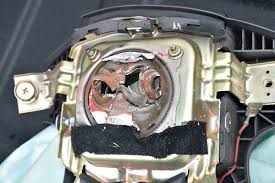
Takata airbags were manufactured using ammonium nitrate propellant without a sufficient stabilizing agent. Over time, particularly in regions exposed to prolonged heat and humidity, the chemical compound can degrade and become unstable. When activated during a collision, the inflator can rupture instead of inflating properly.
Rather than safely dispersing gas to inflate the cushion, the inflator housing may fracture and burst apart. The metal casing can splinter into sharp fragments that are expelled outward with explosive force.
This failure mechanism can result in:
- High-velocity metal shrapnel striking the face
- Tearing of the airbag cushion itself
- Shattering of steering wheel or dashboard components
- Penetrating wounds to facial soft tissue and bone
- Secondary impact trauma from debris
The engineering issues underlying these failures are closely associated with
Metal shrapnel injuries caused by Takata inflator explosions, where forensic analysis frequently reveals internal canister rupture rather than normal deployment. Unlike typical airbag friction burns, rupture injuries are referred to as signature injuries associated with a defective airbag inflator blast trauma.
The Nature and Severity of Facial Disfigurement Injuries
The human face contains a dense network of nerves, blood vessels, muscles, and structural bone components. Damage to this region can affect not only appearance, but speech, vision, expression, and basic functional movement.
Facial trauma from a ruptured inflator often requires immediate surgical intervention to control bleeding, repair tissue, and prevent infection. Even with prompt treatment, permanent scarring and structural deformity may remain.
Common injuries in Takata facial laceration lawsuits include:
- Deep, irregular facial lacerations
- Permanent hypertrophic or keloid scarring
- Loss of soft tissue
- Facial nerve impairment
- Orbital fractures
- Mandibular fractures
- Dental fractures and avulsions
- Embedded foreign metal fragments in face and neck
In some cases, fragments penetrate the orbital cavity, resulting in partial or total vision loss. These overlapping injuries frequently align with litigation involving Takata airbag–related eye injuries and permanent blindness, particularly where optic nerve damage has occurred.
Reconstructive treatment may involve staged surgical procedures extending over months or years.
Psychological and Long-Term Consequences
Beyond the visible injury, permanent facial disfigurement carries substantial emotional and social consequences. Individuals may experience changes in self-image, professional limitations, and interpersonal challenges.
Takata airbag injury victims commonly report:
- Depression and anxiety
- Post-traumatic stress symptoms
- Social withdrawal
- Reduced confidence
- Ongoing emotional distress
In a Takata facial injury lawsuit, compensation may include damages for pain and suffering, mental anguish, loss income, and permanent disfigurement in addition to medical costs.
Neck and Throat Trauma Caused by Takata Inflator Explosions
Ruptured inflators frequently cause trauma extending below the face into the neck and airway region. The force of deployment or projected fragments can strike the lower jaw, throat, or carotid artery area. Because vital vascular and respiratory structures are located in this region, neck injuries can be immediately life-threatening.
Documented injuries include:
- Laryngeal fractures
- Tracheal disruption
- Vocal cord paralysis
- Carotid artery trauma
- Severe anterior neck lacerations
- Swallowing dysfunction
- Permanent voice alteration
Airway compromise or major vascular injury may require emergency surgical intervention. In catastrophic cases involving fatal outcomes, litigation may involve wrongful death claims arising from Takata airbag ruptures. Even when survival occurs, long-term impairment of speech or breathing function can significantly affect quality of life.
When to Contact a Takata Facial Injury Attorney
Individuals who suffer facial lacerations or disfigurement following a Takata airbag deployment should seek legal evaluation promptly. These cases involve potential corporate liability of Takata and the auto maker that supplied that sold the vehicle.
A Takata facial injury lawyer must assess:
- The specific inflator model and brand
- Recall status at the time of the crash
- Geographic exposure history
- Manufacturing and distribution chain
- Preservation of the airbag module
An attorney handling defective airbag litigation may take steps to:
- Secure the vehicle before salvage destroys
- Coordinate expert engineering inspection
- Obtain recall documentation
- Evaluate injury case against the vehicle manufacturer.
- Initiate a product liability lawsuit when appropriate
If the inflator assembly is discarded before inspection, critical evidence may be lost, but the distinct injury pattern of Takata inflator explosions help identify lots of missing pieces to the liability puzzle.
Manufacturers Commonly Implicated in Rupture Cases
Although Takata airbags were installed in numerous brands, a significant percentage of documented rupture injuries have involved certain manufacturers. Understanding the vehicle’s make and model is an essential part of legal investigation.
Many severe facial injury lawsuits have involved:
- Honda Ford
- Acura Chevrolet
- Toyota Mazda
- Nissan BMW
A substantial number of ruptures have been linked to models identified among Honda, Acura and Toyota vehicles equipped with defective Takata inflators, which have historically accounted for a large share of reported injuries. The broader recall history and engineering allegations are addressed within discussions of Takata airbag defect litigation nationwide, including inflator design and recall phases.
Compensation in a Takata Facial Injury Lawsuit
Facial disfigurement cases often involve substantial economic and non-economic damages. Because these injuries frequently require ongoing medical treatment, evaluation must extend beyond initial hospital expenses.
Compensation in a Takata airbag disfigurement lawsuit may include:
- Emergency medical treatment
- Reconstructive surgery
- Future surgical procedures
- Scar revision treatment
- Pain and suffering
- Mental anguish
- Physical impairment
- Disfigurement damages
- Loss of earning capacity
An experienced Takata airbag injury attorney can work with medical and economic experts to project future costs and present a comprehensive damages analysis.
Free Consultation With a Takata Facial Injury Lawyer
Facial lacerations and permanent disfigurement caused by a ruptured airbag can have lifelong consequences. Proper evaluation requires detailed review of crash data, medical records, surgical documentation, and the inflator assembly itself.
Individuals harmed by a Takata inflator rupture may have the right to pursue compensation through a product liability lawsuit against the automaker and airbag component entities. Early legal involvement improves the likelihood that critical evidence is preserved and properly analyzed.
Consultations are available to assess Takata facial injury and airbag disfigurement cases. Call us at 1-866-AIRBAGS for a Free Injury Lawsuit Consultation.