
Acura vehicles were heavily impacted by the nationwide Takata airbag recall after federal investigators discovered that certain inflators could rupture during deployment and send metal fragments into the passenger compartment. Instead of inflating normally to cushion occupants during a crash, a defective Takata inflator can explode. In these incidents, the metal inflator housing itself becomes shrapnel.
These failures have resulted in catastrophic Takata airbag explosion injuries involving penetrating trauma to the face, eyes, neck, and chest. Unlike ordinary airbag deployment injuries, a Takata inflator rupture can send high-velocity metal fragments toward vehicle occupants. The Takata airbag recall eventually became the largest automotive safety recall in United States history. Acura vehicles manufactured primarily between 2001 and 2016 were included in multiple recall waves involving driver-side and passenger-side airbag inflators.
Because Acura vehicles are designed for long service life, many of these affected models remain on the road today. When a defective inflator remains installed, the risk of a Takata airbag rupture injury exists every time the vehicle is driven. Drivers or passengers injured by Takata airbag deployments in Acura vehicles may have the right to pursue compensation through a Takata airbag injury lawsuit.
Acura Vehicles Linked to Takata Airbag Lawsuits
Acura vehicles manufactured between approximately 2001 and 2016 were included in multiple airbag recall campaigns involving defective Takata airbag inflators. These vehicles were equipped with inflators that used ammonium nitrate propellant, which can degrade over time when exposed to heat and humidity. When the airbag deploys during a crash, the inflator can rupture and send metal shrapnel into the passenger compartment, causing catastrophic injuries.
A number of Acura models have been associated with inflator rupture incidents and subsequent litigation involving Takata airbag failures. Many of these vehicles remain on the road today, and some may still have open recall repairs if the defective inflator was never replaced.
| Acura Model | Approximate Recall Years |
| Acura TL | 2002–2014 |
| Acura MDX | 2003–2016 |
| Acura CL | 2001–2003 |
| Acura RL | 2001–2012 |
| Acura RDX | 2007–2012 |
| Acura ILX | 2013–2016 |
Check If Your Acura Has an Open Takata Airbag Recall
Millions of vehicles remain on the road with unrepaired Takata airbags. Many Acura owners may not realize their vehicle still contains a defective inflator capable of causing a Takata airbag explosion injury. Drivers can determine whether their vehicle is included in the recall by entering their Vehicle Identification Number (VIN) into the federal NHTSA VIN lookup tool. To check your vehicle:
- Locate the VIN on the dashboard or registration
- Enter the number into the NHTSA VIN lookup database
- Review open recall campaigns
- Schedule repair with an Acura dealership
Some Acura vehicles have also appeared on the Takata do not drive warnings list, meaning federal safety regulators believe the risk of inflator rupture is unusually high. Vehicles on this warning list may pose a serious risk of Takata airbag rupture injury or Takata airbag shrapnel injury if the airbag deploys before the inflator is replaced.
Acura TL Takata Airbag Recall (2002–2014)
The Acura TL Takata airbag recall affects model years generally between 2002 and 2014. During this period the TL was one of Acura’s most widely sold luxury sedans, and many vehicles were equipped with Takata inflators later identified as defective. Federal safety investigations eventually linked these inflators to rupture incidents involving exploding airbags, including cases involving the Acura TL airbag injury lawsuit.
Millions of Acura TL vehicles from these years were sold in the United States, and many remain on the road today. Because vehicles frequently change ownership, some vehicles may still contain original Takata inflators if recall repairs were never completed. When a defective inflator ruptures during deployment, the inflator housing can fragment violently and propel metal shrapnel toward the driver or passenger, striking the face, eyes, neck, or upper torso.
Victims have suffered catastrophic injuries including blindness, deep facial lacerations, penetrating trauma, and permanent disfigurement. Individuals injured in crashes involving this vehicle may have the right to pursue compensation through an Acura TL airbag injury lawsuit, which explains how Takata inflator failures in this model have led to serious injury claims.
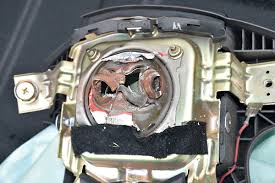
Takata Airbag Inflator Housing Explosion
Acura MDX Takata Airbag Recall (2003–2016)
The Acura MDX Takata airbag recall includes model years generally between 2003 and 2016. As Acura’s flagship SUV, the MDX has remained one of the brand’s most widely driven vehicles, and many were equipped with Takata inflators later identified as defective. Federal safety investigations linked several inflator designs to rupture incidents involving exploding airbags, including cases associated with the Acura MDX airbag injury lawsuit.
Millions of MDX SUVs were sold during these years, and many remain in service today. Because vehicles frequently change ownership, some may still contain original Takata inflators if recall repairs were never completed. When a defective inflator ruptures during deployment, the metal inflator housing can explode and propel sharp metal fragments toward the driver or front passenger, striking the head, face, neck, or chest. Victims of these failures have suffered catastrophic injuries including penetrating trauma, severe facial lacerations, and permanent eye damage.
Drivers or passengers injured by an exploding inflator in this vehicle may have the right to pursue compensation through an Acura MDX airbag injury lawsuit, which explains how Takata inflator failures in this SUV have resulted in serious injury claims.
Acura TSX Takata Airbag Recall (2004–2014)
The Acura TSX Takata recall affects model years primarily between 2004 and 2014. The TSX sedan became a popular entry-level luxury vehicle and continues to be widely driven today.
Because these vehicles frequently change owners through private sales or secondary markets, recall completion rates may vary. Some vehicles may still contain defective inflators capable of causing a Takata airbag explosion injury.
When a rupture occurs inside a TSX, the inflator housing may break apart and propel fragments into the vehicle cabin. Many victims injured by Takata airbag ruptures report penetrating trauma to the face or eyes. Severe ocular trauma from the exploding airbags are among the most devastating outcomes associated with these incidents.
Acura RL Takata Airbag Recall (2005–2012)
The Acura RL Takata recall affects vehicles manufactured between 2005 and 2012. Although the RL was produced in smaller numbers than other Acura models, these vehicles used the same Takata inflator technology that was later identified as defective. If the inflator has not been replaced, deployment during a crash may trigger a Takata airbag rupture injury. Instead of venting gas safely, the inflator housing can explode and propel fragments toward the occupants.
These events have been associated with serious Takata airbag shrapnel injuries involving penetrating trauma and life-threatening vascular damage.
Acura RDX Takata Airbag Recall (2007–2015)
The Acura RDX Takata recall affects model years approximately between 2007 and 2015. The RDX compact SUV was introduced during the period when Takata inflators were widely installed across multiple manufacturers.
Because compact SUVs are often kept for long-term use or transferred between family members, some 2007–2015 RDX vehicles may still contain unrepaired inflators. Owners can verify whether their vehicle has an open recall by entering their VIN into the NHTSA VIN lookup tool.
Acura Vehicles on the Takata “Do Not Drive” Warning List
Certain Acura vehicles have appeared on the federal Takata do not drive warnings list, a designation issued when regulators determine that the probability of inflator rupture may be unusually high. Some early-generation inflators installed in vehicles such as certain 2002–2003 Acura TL models were considered particularly dangerous.
A Do Not Drive warning means regulators believe the inflator could rupture and cause a Takata airbag explosion injury capable of sending metal fragments into the passenger compartment with deadly force. Owners of these vehicles are urged to stop driving the vehicle immediately and arrange recall repairs through an authorized Acura dealership.
Why Takata Airbags in Acura Vehicles Can Explode
The underlying defect involves the use of ammonium nitrate propellant without a stabilizing drying agent. Heat and humidity can cause this chemical compound to degrade over time. During deployment:
- The inflator ignites to generate gas
- Pressure builds inside the metal housing
- If the burn rate becomes unstable, the housing can rupture
- Metal fragments are expelled into the cabin
In these incidents, the airbag does not simply inflate — the inflator itself explodes. These failures have caused numerous Takata airbag explosion injuries and deaths across multiple manufacturers. More information about the defect is available on our page explaining Takata airbag defects and injuries.
Common Injuries Linked to Acura Takata Airbag Ruptures
Unlike minor burns or abrasions associated with normal airbag deployment, Takata inflator ruptures in Acura vehicles have been linked to catastrophic penetrating trauma. Victims suffering a Takata airbag rupture injury may experience:
- Blindness and severe eye trauma
- Deep facial lacerations and disfigurement
- Neck artery injuries
- Penetrating chest wounds
- Traumatic brain injury
- Wrongful death
Because these injuries result from defective product failure rather than crash force alone, victims may have the right to pursue compensation through a Takata exploding airbag injury lawsuit.
What To Do If an Acura Airbag Exploded
If an Acura airbag deployment caused injury, preserving evidence may be critical to a potential legal claim involving a Takata airbag explosion injury. Important steps may include:
- Preserve the vehicle if possible
- Do not discard the airbag module
- Photograph interior damage and injuries
- Obtain crash and medical records
- Speak with an attorney experienced in Takata litigation
Speak With a Board-Certified Personal Injury Trial Lawyer
Takata airbag cases require investigation into engineering defects, recall history, inflator design, and manufacturer knowledge. These matters often involve complex product liability litigation. David P. Willis has been Board Certified in Personal Injury Trial Law since 1988, a distinction held by only a small percentage of Texas attorneys. For more than four decades, his practice has focused on catastrophic injury and defective product litigation.
If you or a loved one suffered a Takata airbag explosion injury in an Acura vehicle, you may have the right to pursue compensation through a Takata airbag injury lawsuit. Our firm handles these cases on a contingency fee basis and offers a free confidential case review.
Call 1-866-AIRBAGS to discuss your legal options today.