
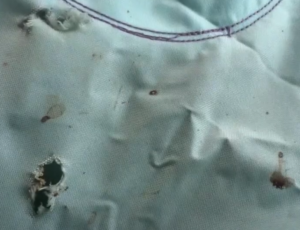
Honda vehicles were among the most heavily impacted by the nationwide Takata airbag inflator recall after regulators determined that certain inflators could rupture during deployment and send metal fragments into the vehicle cabin. These failures are fundamentally different from routine airbag injuries. Instead of inflating normally to cushion occupants, a defective Takata inflator can explode, turning the metal housing into high-velocity shrapnel.
The Takata recall became the largest automotive safety recall in U.S. history. Honda models manufactured primarily between 2001 and 2016 were included in multiple recall waves involving both driver-side and passenger-side inflators. Because Honda vehicles are known for durability and long service life, many of these affected vehicles remain on the road today.
If recall repairs were never completed, an unreplaced inflator may still pose a risk every time the vehicle is driven. Individuals injured in these incidents may have the right to pursue compensation through a Takata airbag injury lawsuit.
Honda Vehicles Affected by the Takata Airbag Recall
Several high-volume Honda vehicles were equipped with Takata inflators later linked to rupture incidents. These airbags used ammonium-nitrate propellant without a stabilizing drying agent, which can degrade over time. As a result, millions of vehicles manufactured between the early 2000s and mid-2010s were recalled after regulators determined the inflators could rupture during deployment.
Affected Honda models with Recalled Takata Airbags include:
- Honda Accord – 2001–2012
- Honda Civic – 2001–2015
- Honda CR-V – 2002–2011
- Honda Odyssey – 2002–2011
- Honda Pilot – 2003–2008
- Honda Ridgeline – 2006–2014
- Honda Fit – 2007–2014
These vehicles were part of multiple recall phases as investigators discovered additional Takata inflator designs capable of rupturing during airbag deployment, particularly in older vehicles exposed to prolonged heat and humidity conditions.
Honda Accord Takata Airbag Recall (2001–2012, Certain 2013–2016 Models)
The Honda Accord Takata airbag recall primarily affects model years 2001 through 2012, with certain vehicles through 2016 included in expanded recall campaigns after investigators identified additional defective inflator designs. During these years the Accord was one of the best-selling vehicles in the United States, and millions were equipped with Takata inflators later linked to rupture incidents and exploding airbags, including failures similar to those described in the Honda Civic airbag injury lawsuit involving defective Takata inflators.
Many 2001–2012 Honda Accord vehicles remain on the road today, often passing through multiple owners. As a result, some vehicles may still contain the original unrepaired inflator if recall repairs were never completed.
When a Takata inflator ruptures inside a Honda Accord, the failure can be far more violent than a normal airbag deployment. Instead of venting safely, the inflator housing may burst apart and propel metal fragments toward the driver or passenger, striking the face, eyes, neck, or upper torso.
Early Accord inflators used ammonium-nitrate propellant without a stabilizing drying agent, which can degrade over time in heat and humidity. As the propellant deteriorates, pressure during deployment can increase dramatically, causing the inflator housing to rupture and send high-velocity metal fragments into the vehicle cabin. Drivers or passengers injured in these incidents may have the right to pursue compensation through a Honda Accord airbag injury lawsuit.
Honda Civic Takata Airbag Recall (2001–2015)
The Honda Civic Takata airbag recall affects model years 2001 through 2015, a period when Takata inflators were widely installed across multiple Honda platforms. Because the Civic has long been one of the best-selling compact vehicles in the United States, millions were manufactured during the peak years of Takata inflator production. Many early-2000s Civics remain on the road today, particularly in secondary markets where vehicles frequently change ownership and recall notices may never reach current drivers.
The defect involves Takata inflators that use ammonium nitrate propellant, a chemical compound that can degrade over time when exposed to heat and humidity. As the propellant deteriorates, the inflator may generate excessive internal pressure during deployment. Instead of safely inflating the airbag, the metal inflator housing can rupture and propel high-velocity metal fragments into the passenger compartment. When these inflators fail, drivers and passengers may suffer catastrophic injuries. Documented injuries associated with Honda Civic Takata inflator ruptures include:
- Severe facial trauma
- Permanent vision loss
- Deep facial lacerations
- Traumatic brain injuries
- Penetrating neck or throat wounds
Among the most devastating outcomes are catastrophic eye injuries, including ruptured globes, detached retinas, and permanent blindness caused by metal fragments striking the face. Serious injuries resulting from these failures have led to litigation involving defective inflator design and delayed recall actions. Victims injured in these incidents often pursue compensation through a Honda Civic Airbag Injury Lawsuit, particularly when a Takata inflator rupture caused penetrating trauma or permanent disability.
Investigations into Takata inflator failures show that risk increases as the inflators age. Vehicles manufactured during the early-to-mid 2000s are especially vulnerable because they have been exposed to years of temperature fluctuation and environmental moisture. In hot and humid regions such as Texas, and the Gulf Coast, this long-term exposure can accelerate propellant instability and increase the likelihood of a violent rupture during airbag deployment.
Because of its enormous production volume and long vehicle lifespan, the Civic represents one of the largest groups of vehicles affected by Takata inflator failures. As a result, Honda Civic exploding airbag incidents have played a significant role in federal safety investigations and product-liability cases involving defective Takata inflators.
Honda CR-V Takata Airbag Recall (2002–2016)
The Honda CR-V Takata airbag recall includes model years 2002 through 2016, covering a period when Takata inflators were widely installed in Honda vehicles. As one of the most popular compact SUVs in the United States, the CR-V is frequently used as a long-term family vehicle, meaning many older models remain on the road today.
Early recall campaigns focused on 2002–2011 Honda CR-V vehicles, with additional model years added as federal investigations expanded. Because these SUVs often remain in service for many years and change ownership in secondary markets, some vehicles may still contain unrepaired Takata inflators. Owners can confirm recall status using the federal NHTSA VIN lookup tool.
The defect involves inflators that rely on ammonium nitrate propellant, which can degrade after years of exposure to heat and humidity. When an airbag deploys, this instability can cause the inflator housing to rupture and send metal fragments into the passenger compartment.
Victims injured in these incidents often pursue compensation through a Honda CR-V Airbag Injury Lawsuit, particularly when a Takata inflator rupture results in penetrating trauma, eye injuries, or permanent disability. Because millions of CR-V vehicles were produced during the peak Takata inflator era, Honda CR-V exploding airbag incidents remain a significant focus of safety investigations and product-liability litigation.
Honda Pilot Takata Airbag Recall (2003–2015)
The Honda Pilot Takata recall affects model years 2003 through 2015. These mid-size SUVs were included in recall campaigns involving driver-side and passenger-side inflators. Many 2003–2010 Honda Pilot vehicles remain in service today. In some cases, multiple recall notices were issued over time as replacement inflators themselves required further recall.
Because the Pilot is often used for family transportation, rupture risk may affect front-seat occupants in larger cabin configurations. In certain high-risk cases, regulators have advised owners not to operate affected vehicles until repairs are completed. Those models are listed on the Takata do not drive warnings list.
Honda Odyssey, Fit & Ridgeline Takata Airbag Recall Models (2002–2016)
The Honda vehicles were equipped with similar inflator modules as millions of others containing ammonium nitrate propellant without a stabilizing desiccant. Over time, particularly in warm and humid climates, moisture exposure can cause the propellant to degrade and burn too aggressively during deployment. Additional Honda vehicles included in Takata recall campaigns between 2002 and 2016include:
- Honda Odyssey (2002–2016)
- Honda Fit (2007–2014)
- Honda Ridgeline (2006–2014)
Why Takata Airbags in Honda Vehicles Can Explode
The defect in Takata inflators used in 2001–2016 Honda vehicles centers on the use of ammonium nitrate propellant without a drying agent. Heat and humidity can cause the compound to deteriorate, increasing the likelihood of unstable combustion. During deployment:
- The inflator ignites to generate gas.
- Pressure builds inside the sealed metal housing.
- If the burn rate is too aggressive, structural limits can be exceeded.
- The metal housing may rupture.
- Fragments can be propelled into the cabin.
In rupture events, the airbag does not merely inflate — the inflator itself explodes. More detailed background regarding the engineering defect is available on our page discussing Takata airbag defects and injuries.
Common Injuries Linked to Honda Takata Inflator Ruptures
Unlike minor deployment-related abrasions, Takata inflator ruptures in Honda vehicles have been linked to catastrophic, penetrating trauma caused by metal fragments expelled during deployment. Reported injuries include:
- Blindness and severe eye trauma
- Facial lacerations and disfigurement
- Neck artery injuries
- Penetrating chest wounds
- Traumatic brain injury
- Wrongful death
Because these injuries stem from defective product failure rather than crash force alone, injured individuals may have legal claims separate from a traditional auto accident case. Victims may be entitled to pursue compensation through a Takata inflator rupture injury claim.
What To Do If a Honda Airbag Exploded
If a Honda airbag deployed violently and caused injury, preserving evidence is critical. Takata rupture cases often depend on physical inflator components and crash documentation.
- Find, Secure and Store the vehicle if possible
- Preserve the airbag evidence including the airbag inflator
- Photograph interior damage and visible injuries
- Obtain crash and medical records
- Seek legal guidance promptly
It is important to know what to do after airbag explosion so that the critical evidence is preserved for inspection and later trial evidence of the defect.
Speak With a Takata Airbag Injury Lawyer
Takata airbag cases require investigation into engineering defects, recall history, inflator design, and manufacturer knowledge. These are complex product liability matters. David P. Willis has been Board Certified in Personal Injury Trial Law since 1988, a distinction held by a small percentage of Texas attorneys. For more than four decades, his practice has focused on catastrophic injury and defective product litigation.
If you or a loved one suffered injuries in a 2001–2016 Honda vehicle due to a violent Takata airbag deployment, you may have the right to pursue compensation through a Takata airbag injury lawsuit. Our airbag injury law firm handles these cases on a contingency fee basis and offers a free, confidential case review.
Call 1-866-AIRBAGS to discuss your legal options today.