
Takata Airbag Lawsuit — Explosion Injuries, Defect Claims & Legal Help
A Takata airbag explosion is one of the most violent product failures that can occur inside a vehicle. Survivors often describe it as a blast—like a grenade detonated inches from the face. Instead of inflating normally, a defective Takata inflator can rupture and turn the airbag system into a shrapnel-producing device, launching razor-sharp metal fragments into the driver or passenger.
These are not “typical” airbag injuries. A rupturing inflator can cause penetrating wounds to the eyes, face, neck, and chest, leading to catastrophic blood loss, permanent disability, and, in some cases, death. The danger is tied to a defective propellant and inflator design used in tens of millions of vehicles across the United States.
Why Takata Airbags Explode
 Takata inflators used unstabilized ammonium nitrate as a propellant—an extremely volatile chemical compound that is sensitive to heat and moisture. Unlike safer propellants used by other airbag manufacturers, ammonium nitrate can absorb humidity, change structure over time, and destabilize as it ages. That instability is dramatically worse in hot, humid climates where moisture exposure accelerates chemical breakdown.
As the propellant degrades, pressure inside the metal inflator canister can rise beyond what the housing is designed to contain. When the airbag deploys, the weakened inflator casing may burst apart rather than vent in a controlled way. The result can be a violent rupture that ejects metal fragments at extreme speed—fast enough to tear through the airbag cushion and penetrate the body before the bag fully inflates.
In many rupture cases, the inflator fails along weld seams, corroded sections, or structurally weak points. The failure leaves a distinct “signature” of damage—both mechanically (split housings, torn fabric, metal fragments) and medically (penetrating injuries inconsistent with ordinary deployment).
Millions of vehicles remain unrepaired. In some areas, people are still driving vehicles that contain these inflators—often without realizing the risk is still present.
Types of Injuries Caused by Takata Airbag Explosions
Injuries from Takata ruptures resemble blast trauma more than ordinary airbag contact injuries. When a rupturing inflator sends metal fragments into the cabin, occupants can suffer deep, sharp-force injuries that require emergency intervention and repeated surgeries.
Common airbag explosion injuries include:
- Eye injuries and blindness
- Deep facial lacerations and permanent scarring
- Embedded metal fragments (shrapnel)
- Neck wounds and punctured arteries or veins
- Chest wall penetration and collapsed lungs
- Traumatic brain injuries (TBI)
- Throat injuries and airway trauma
- Jaw fractures and dental injuries
- Severe blood loss and shock
- Fatal injuries, including wrongful death
These Takata airbag injuries frequently require emergency surgery, specialized imaging, reconstructive procedures, ophthalmology care, and long-term rehabilitation. Many victims also experience psychological harm, including anxiety, sleep disruption, and PTSD after a violent in-vehicle explosion.
Eye Injuries & Blindness from Takata Explosions
Takata airbag eye injuries, loss of vison and blindness happens when metal fragments are propelled from the exploding airbag toward the occupant’s eyes, causing devastating ocular trauma. Victims may suffer globe rupture, corneal tearing, retinal detachment, and irreversible vision loss. Unlike temporary irritation or bruising associated with normal deployment, these injuries can be permanent and life-altering, requiring urgent surgery and ongoing specialty care.
Facial Lacerations, Scarring & Disfigurement
Shrapnel can slice across the face, eyelids, lips, and jawline, leaving deep wounds and lasting disfigurement. Survivors with severe facial cuts and lacerations often require reconstructive surgery, scar revision procedures, and long-term treatment for nerve damage and tissue loss. The pattern and severity of the cuts commonly reflect the directional force of the inflator rupture, not typical airbag contact.
Neck, Chest & Arterial Penetration Injuries
Some of the most dangerous Takata injuries occur when fragments pierce the neck or chest. Penetration of the carotid artery or jugular vein can lead to rapid blood loss and death within minutes. Chest impacts may puncture the lung, damage the heart area, or cause internal bleeding. These injuries often present as emergency “penetrating trauma” rather than the blunt-force injuries associated with crashes.
Traumatic Brain Injuries (TBI)
A rupture event can cause brain trauma in multiple ways—through the force of the explosion, sudden head movement, direct impact with interior components, or secondary injuries from fragments. Victims may suffer concussions, skull fractures, or more severe brain injuries that require neurological evaluation and long-term therapy.
Takata Alpha Airbags — The Most Dangerous Inflators Ever Made
 Among Takata’s defective inflators, early-generation Alpha inflators are widely considered the highest-risk category. These were produced before key improvements to manufacturing controls and moisture sealing. As a result, they are especially vulnerable to propellant breakdown and casing failure. Testing and field data have indicated extraordinarily high rupture risk in this subset, leading to some of the most urgent recall actions in automotive history.
“Do Not Drive” Takata Warning for High-Risk Vehicles
Federal safety officials and manufacturers have issued a “Do Not Drive List” warnings for certain vehicles equipped with high-risk Alpha inflators. For affected owners, the danger is considered so severe that manufacturers may offer free towing, mobile repair, or immediate replacement options. If a vehicle is on a “Do Not Drive” list, it should not be operated—even for short distances—until the inflator is replaced.
Why Southern States Face Higher Risk — Moisture & Humidity Failures
Heat and humidity significantly increase the risk of inflator degradation. In warm, humid regions, moisture exposure can infiltrate inflator components and accelerate chemical instability, increasing the likelihood of rupture during deployment.
States often associated with elevated risk include:
- Texas
- Florida
- Georgia
- Louisiana
- Mississippi
- Alabama
- Hawaii
Even garage-kept vehicles can be exposed to enough humidity over time to affect the propellant. Once destabilized, the inflator can behave like a small explosive device inside the steering wheel or dashboard.
Ammonium Nitrate Propellant Defects — The Chemical Failure at the Heart of the Crisis
Takata’s decision to use unstabilized ammonium nitrate is central to the recall crisis. Ammonium nitrate is used in industrial applications and can be highly reactive when exposed to heat and moisture. Over time, it can degrade, shift in density, and burn irregularly. Instead of a controlled burn that produces predictable gas pressure, the degraded propellant can generate a sudden pressure spike—enough to split the inflator casing.
When that metal housing fails, it can release bolts and fragments at extreme speed into the cabin. This is why Takata rupture injuries often look like shrapnel trauma rather than anything consistent with normal safety system behavior.
Rupturing Inflators — The Mechanical Failure Behind the Explosion
A Takata inflator rupture is a structural failure. The canister may fracture along welds, corroded areas, or weakened seams. When it splits, metal fragments can exit in unpredictable directions, creating asymmetrical injury patterns—often concentrated on one side of the face, neck, or chest.
Because the rupture is violent and uneven, the physical evidence can be distinctive, including:
- A split or burst inflator housing
- Torn or shredded airbag fabric
- Shrapnel fragments in the cabin or embedded in the body
- Steering wheel or dash damage consistent with a blast event
This mechanical signature is often critical to proving the event was an inflator rupture rather than normal deployment.
How to Prove a Takata Inflator Ruptured
I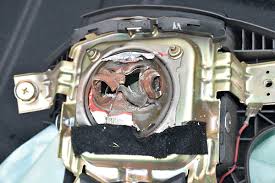 n Takata injury cases, establishing that the inflator ruptured—not merely deployed—is essential. Proof often comes from physical evidence and medical records that align with the known rupture pattern.
Key rupture indicators include:
- Split inflator housing or fractured canister
- Metal fragments inside the airbag cushion or cabin
- Shredded airbag material inconsistent with normal deployment
- Steering wheel cover damage and blast-like fractures
- Penetrating injuries and embedded fragments documented in medical imaging
Preserving evidence quickly can make or break the case. Vehicles are often towed, totaled, and sold at salvage auction within days. Insurance carriers and salvage yards may dispose of key components before victims know a defect may be involved.
A strong evidence-preservation plan often includes:
- Preserving the entire vehicle (do not allow it to be scrapped)
- Securing the airbag module, cushion, and cover
- Preserving the inflator housing (especially if split)
- Collecting loose fragments or documenting embedded shrapnel
- Photographing interior damage and airbag components
- Obtaining CT scans, MRIs, ophthalmology exams, and operative reports
- Documenting lacerations, wound channels, and foreign bodies in imaging
Our team moves quickly to send formal preservation demands to insurers, towing companies, and salvage facilities to prevent destruction or alteration of the vehicle and components.
Who Qualifies for a Takata Airbag Lawsuit?
Many people injured by Takata shrapnel may qualify, even if:
- The crash was low-speed
- The collision damage was minor
- You were partially at fault for the accident
- You never received a recall notice
- The recall repair was not completed
- You no longer own the vehicle
- A dealership claimed it was “normal deployment”
Qualification on having a Takata injury lawsuit often depends on whether the inflator ruptured and whether the injuries and evidence match that event—not on who caused the collision. Penetrating facial cuts, embedded fragments, eye trauma, and arterial injuries are powerful indicators of an inflator rupture.
How to File a Takata Airbag Lawsuit
Takata claims are not ordinary car accident cases. They can require specialized investigation, engineering analysis, and expert review. The steps on how to file a Takata injury claim are set out below:
Step 1 — Free Case Review
We evaluate whether the injury pattern, vehicle history, and incident facts align with a rupture event.
Step 2 — Evidence Preservation
We work to preserve the vehicle, inflator, and airbag components before they are destroyed or altered.
Step 3 — Recall & VIN Verification
We verify whether the vehicle was included in Takata airbag recall list and whether it contained a high-risk inflator category.
Step 4 — Engineering & Expert Analysis
Experts may assess fracture lines, metal deformation, airbag fabric damage, and medical imaging to determine whether the inflator behaved like a rupture event.
Step 5 — Filing Claims Against the Automaker
Even after Takata’s bankruptcy, automakers may remain legally responsible for defective components installed in their vehicles.
Step 6 — Litigation, Negotiation & Settlement
Many cases resolve after evidence and expert analysis confirm a rupture consistent with Takata defects.
Deadlines & Statute of Limitations for Takata Claims

Every state has strict deadlines for filing personal injury and wrongful death claims, often ranging from one to three years. In some cases, the deadline may depend on when the defect was discovered or when a reasonable person could have learned the injury involved an inflator rupture rather than a normal airbag deployment.
Delays can seriously harm a case because:
- Vehicles are destroyed or sold
- Inflators disappear
- Medical documentation becomes harder to collect
- Witness memories fade
Even if time has passed, you may still have options depending on the state, the injury date, the discovery timeline, and whether a wrongful death claim is involved. We can review the facts and help determine whether the claim is still timely.
What Compensation You Can Recover
Takata injuries are often severe, permanent, and expensive to treat—so damages or compensation in these cases can be substantial.
Economic damages may include:
- Emergency care and hospitalization
- Reconstructive surgery and ophthalmology treatment
- Rehabilitation and long-term therapy
- Prescription medications
- Lost income and reduced earning capacity
- Long-term disability and home care
- Medical equipment and transportation costs
Non-economic damages may include:
- Pain and suffering
- Permanent scarring and disfigurement
- Emotional distress, anxiety, and PTSD
- Loss of companionship
- Loss of enjoyment of life
Case value can vary widely depending on severity, number of surgeries, loss of vision, arterial penetration, disfigurement, disability, and the long-term impact on work and daily life.
VIN Lookups & Vehicles Affected by the Takata Recall
Millions of vehicles have been recalled due to Takata inflators, and many remain unrepaired. Owners can check a 17-digit VIN to confirm whether a vehicle is included in recall systems.
Manufacturers with models affected by Takata inflators have included:
- Honda / Acura
- Toyota / Lexus
- Nissan / Infiniti
- BMW
- Mazda
- Ford / Lincoln
- GM models
- Audi / VW
- Subaru
- Mercedes-Benz
- Tesla
If your vehicle was recalled, timely repair is critical—but recall status is not the same as legal eligibility. Injury cases typically hinge on rupture evidence and the nature of the injuries. Visit Takata Airbag Recall List to learn more.
Preservation of Evidence — Why It Can Make or Break Your Case
Takata cases can rise or fall on evidence. Many victims don’t realize the most important proof may be the vehicle itself, the inflator housing, the airbag components, and the medical imaging documenting shrapnel injuries. Insurers often move quickly to total vehicles and send them to salvage, and salvage facilities may dismantle or dispose of key parts.
That’s why early legal action often focuses on:
- Immediate preservation letters to insurers and towing companies
- Preventing destruction, inspection without notice, or component removal
- Securing access for qualified experts to document the inflator and airbag system
If the inflator is thrown away or the vehicle is scrapped, it can become far more difficult to prove rupture and causation. Acting quickly helps protect the foundation of the claim.
Automaker Liability — You Can Still Sue Even After Takata’s Bankruptcy
Takata’s bankruptcy does not automatically eliminate claims. Many victims can still pursue cases against automakers under product liability theories such as strict liability, negligence, and failure to warn. Automakers have legal responsibility for the safety of vehicles and components installed in them—even when a supplier manufactured the part.
In some circumstances, claims may also involve the Takata bankruptcy trust, but many injury cases focus on automaker responsibility for defective inflators installed in consumer vehicles.
Automakers that may face liability include Honda, Toyota, Nissan, Ford, BMW, Mazda, Subaru, GM, Volkswagen, Audi, Mercedes-Benz, and others depending on the vehicle and inflator type involved.
Takata Wrongful Death Lawsuits
Families may pursue wrongful death actions when a Takata inflator rupture causes fatal injuries. Penetrating trauma to the neck, chest, or face can lead to catastrophic blood loss within minutes.
Wrongful death damages may include:
- Funeral and burial expenses
- Loss of financial support
- Loss of companionship and services
- Mental anguish
- Survival damages for pain and suffering before death
Because the injury mechanics of a rupture can be distinctive, medical records and evidence preservation are often central to establishing liability.
Class Action vs Individual Takata Lawsuit — Which Is Better?
Many class action settlements involving Takata addressed economic losses such as diminished vehicle value or recall inconvenience. Those class actions generally do not compensate people who suffered physical injuries from rupturing inflators.
If you suffered shrapnel injuries, vision loss, arterial penetration, disfigurement, neurological harm, or other serious injuries, you typically must pursue an individual personal injury claim to seek full compensation for medical costs, lost wages, disability, and pain and suffering.
Choosing a Takata Airbag Injury Lawyer
Takata cases are complex and often require:
- Knowledge of the defect mechanism and inflator failure patterns
- Experience preserving vehicles and airbag components
- Ability to work with engineering and medical experts
- Familiarity with recall histories and VIN documentation
- Proven litigation experience against major manufacturers
Automakers often defend these cases aggressively. A team that recognizes the subtle indicators of rupture—and moves quickly to preserve evidence—can significantly strengthen the claim.
Speak With a Takata Airbag Lawyer Today
 If you or a loved one was injured by a Takata airbag rupture, immediate legal help can protect your rights and preserve critical evidence before it disappears. The sooner action is taken, the better the chances of securing the vehicle, inflator, fragments, and medical proof needed to build a strong case.
Attorney David P. Willis, Board Certified in Personal Injury Trial Law since 1988, has more than 40 years of experience handling catastrophic product defect cases nationwide.
You Pay Nothing Unless You Win
Free Case Review — Call 1-866-AIRBAGS (24/7)